
The climate crisis represents the most pressing existential challenge of our generation, with rising global temperatures, extreme weather events, and ecosystem collapse posing unprecedented risks. In this pivotal moment, technology is not merely a contributor to the problem through historical industrial emissions but has evolved into our most potent arsenal for solutions. Sustainable technology, or “green tech,” encompasses innovations designed to mitigate environmental impact, enhance resource efficiency, and decouple economic growth from ecological degradation. This comprehensive analysis delves into seven foundational categories of sustainable technology that are actively reshaping our battle against climate change. From harnessing the planet’s natural energy flows to reimagining our material world, these solutions offer a blueprint for a resilient, low-carbon future. Their rapid advancement and integration are critical for achieving international climate targets, such as those outlined in the Paris Agreement, and for building a world where human prosperity operates in harmony with the planet’s ecological boundaries.
A. Advanced Renewable Energy Systems
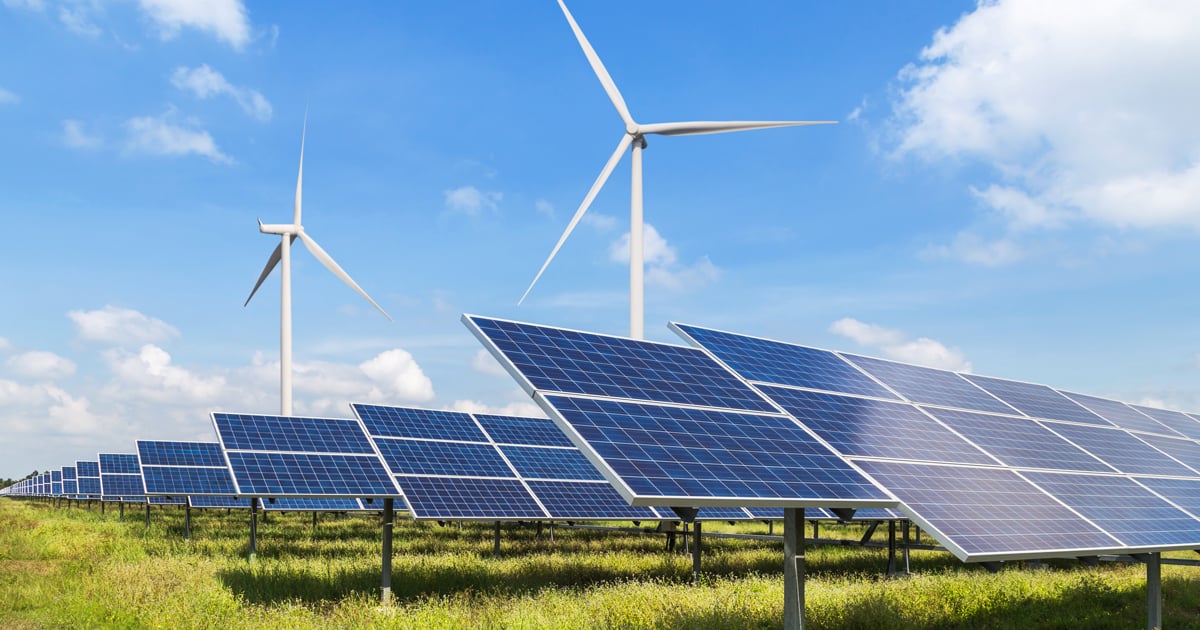
The transition from fossil fuels to renewable energy is the cornerstone of climate mitigation. Modern systems have moved far beyond early iterations, achieving greater efficiency and grid stability.
Solar power has seen revolutionary breakthroughs in photovoltaic (PV) technology. While silicon-based panels continue to improve, new materials like perovskites offer dramatically higher efficiency rates and the potential for flexible, lightweight applications. Furthermore, building-integrated photovoltaics (BIPV) turn windows, facades, and rooftops into power generators, seamlessly blending energy production into urban landscapes. Complementing this, concentrated solar power (CSP) uses mirrors to focus sunlight, generating intense heat to drive steam turbines, providing valuable dispatchable power even when the sun sets.
Wind energy is soaring to new heights, literally and figuratively. The development of larger, more efficient offshore wind turbines captures stronger and more consistent winds over oceans. Floating wind platforms now allow deployment in deep waters, vastly expanding viable locations. On land, advancements in aerodynamic blade design and AI-driven yaw systems optimize energy capture from subtle wind shifts.
The intermittent nature of renewables is being solved by next-generation energy storage. Lithium-ion batteries dominate today, but solid-state batteries promise higher energy density and safety. For grid-scale storage, flow batteries (using liquid electrolytes) and gravity-based solutions (like lifting and lowering massive weights in disused mine shafts) offer long-duration storage. Green hydrogen, produced via electrolysis powered by excess renewable electricity, is emerging as a versatile clean fuel for industries and long-haul transport, capable of being stored seasonally.
B. Smart Grid and Energy Optimization Technologies
A sustainable energy future requires an intelligent network to manage it. The smart grid is a digital transformation of the traditional power grid, utilizing IoT sensors, advanced metering infrastructure, and real-time data analytics to optimize electricity flow. It enables two-way communication between utilities and consumers, allowing for dynamic demand response where consumers are incentivized to reduce usage during peak periods, flattening the load curve and preventing the activation of polluting peaker plants.
At the building level, sophisticated Energy Management Systems (EMS) use machine learning algorithms to control HVAC, lighting, and appliances autonomously for maximum efficiency. Microgrids localized grids that can operate independently from the main network enhance resilience using local renewable sources and storage, ensuring power for critical facilities during outages. Furthermore, vehicle-to-grid (V2G) technology transforms electric vehicles into mobile energy assets, capable of sending stored power back to the grid during demand spikes, creating a vast distributed storage network.
C. Sustainable Transportation and E-Mobility
Transportation accounts for a significant portion of global emissions, making its electrification and efficiency paramount. The electric vehicle revolution is accelerating, with advancements extending beyond passenger cars to electric buses, trucks, and even maritime and aviation sectors. Innovations in battery chemistry are steadily increasing range and reducing charging times, with ultra-fast charging networks expanding globally.
However, the vision extends beyond electrification. Intelligent transportation systems (ITS) use data and connectivity to optimize traffic flow, reduce congestion, and enhance public transit efficiency. Innovations in sustainable aviation fuels (SAFs), derived from biomass or synthesized using renewable energy, are crucial for decarbonizing air travel. Concurrently, urban planning is shifting towards promoting active mobility walking and cycling supported by smart infrastructure and integrated multi-modal transit apps, reducing reliance on personal vehicles altogether.
D. Circular Economy and Advanced Material Science
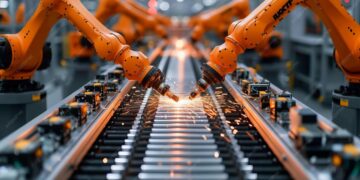
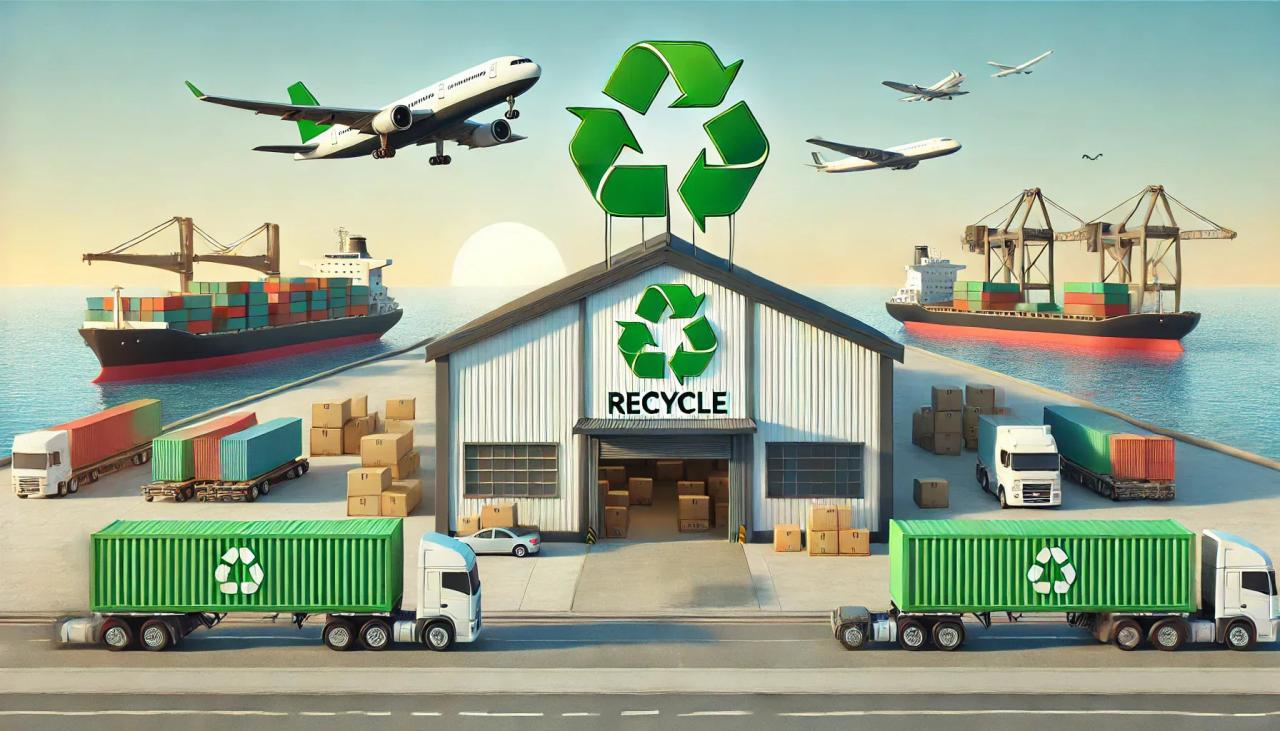
Moving from a linear “take-make-dispose” model to a circular economy is fundamental. This paradigm focuses on designing out waste, keeping products and materials in use, and regenerating natural systems. Key technologies enabling this include advanced robotics and AI-powered optical sorters for highly efficient waste separation and recycling. Chemical recycling breaks down plastics to their molecular components, allowing them to be reprocessed into virgin-quality materials, tackling previously non-recyclable waste streams.
Material science is at the forefront, developing sustainable alternatives. Mycelium-based packaging grown from fungi, biodegradable polymers, and lab-grown materials offer replacements for plastics and leather. In construction, cross-laminated timber (CLT) serves as a strong, renewable alternative to steel and concrete, which are carbon-intensive. The concept of “Material Passports” is gaining traction, where digital records detail a building’s material composition, enabling efficient future disassembly and reuse.
E. Climate-Smart Agriculture and Food Systems
The agricultural sector is both a victim of and a contributor to climate change. Climate-smart technologies aim to boost productivity, enhance resilience, and reduce emissions. Precision agriculture utilizes drones, satellite imagery, and ground sensors to monitor crop health, soil moisture, and nutrient levels. This data allows for hyper-localized application of water and fertilizers, minimizing waste and runoff.
Vertical farming and hydroponic/aquaponic systems grow produce in controlled indoor environments using up to 95% less water and no pesticides, while drastically reducing transportation distances. Alternative proteins, including plant-based meats and cellular agriculture (cultivating meat from cells), present a pathway to drastically lower the massive carbon footprint of conventional livestock farming. Additionally, AI-driven platforms provide smallholder farmers with predictive insights on weather, pest outbreaks, and optimal planting times, enhancing food security.
F. Carbon Capture, Utilization, and Storage (CCUS)
Despite aggressive mitigation efforts, legacy and hard-to-abate emissions from industries like cement and steel production necessitate active carbon removal. CCUS technologies capture CO2 emissions at their source (e.g., a factory flue) or directly from the atmosphere. Once captured, the CO2 can be securely stored underground in geological formations or utilized in novel ways.
Innovative utilization pathways are creating markets for captured carbon. It can be used in concrete curing, where it is mineralized and permanently embedded, or as a feedstock for producing synthetic fuels, chemicals, and even carbon fiber. Direct Air Capture (DAC) technology, though energy-intensive, offers the potential to reduce atmospheric CO2 concentrations, acting as a critical tool for reversing historical emissions when powered by renewable energy.
G. Nature-Based Solutions and Bio-Innovation
Sometimes the most powerful technologies are those honed by nature over millennia. Nature-based solutions (NbS) involve protecting, restoring, and sustainably managing ecosystems to address societal challenges. Large-scale reforestation and afforestation projects act as massive carbon sinks. Mangrove restoration protects coastlines from storm surges while sequestering carbon at rates higher than terrestrial forests.
Bio-innovation draws inspiration from natural processes. Biomimicry leads to designs like wind turbine blades modeled on humpback whale fins for efficiency. Biotechnology is engineering microbes and enzymes that can break down plastic pollution or capture methane. Furthermore, agroforestry integrating trees into farmland improves soil health, increases biodiversity, and provides additional income for farmers, creating a synergistic, resilient landscape.
The Path Forward: Integration, Investment, and Equity
The true power of these sustainable technologies lies not in isolation, but in their synergistic integration. A smart grid managing renewable energy from solar and wind, powering electric vehicles that support grid stability, within cities built with circular materials, supported by a regenerative food system, creates a compounded positive impact. However, significant barriers remain.
Massive and sustained investment in R&D, infrastructure, and scaling is required from both public and private sectors. Supportive policy frameworks, including carbon pricing, subsidies for green tech, and stringent emissions standards, are essential to level the playing field. Crucially, the transition must be just and equitable. Ensuring access to clean technology and green jobs for developing economies and marginalized communities is not only an ethical imperative but also vital for global cooperation and stability. The technologies exist; our success now hinges on the collective will to deploy them swiftly, smartly, and fairly.
Conclusion
The battle against climate change is undeniably daunting, but the suite of sustainable technologies at our disposal provides a formidable and hopeful counteroffensive. From the boundless energy of the sun and wind to the intelligent networks that distribute it, from the vehicles we drive to the food we consume and the materials we build with, every sector of the human enterprise is undergoing a green transformation. While challenges of scale, investment, and equity persist, the accelerating pace of innovation demonstrates a clear trajectory toward a decarbonized world. Embracing and investing in these seven pillars of sustainable technology is no longer a choice but an urgent necessity. It is the definitive pathway to securing a livable, prosperous, and resilient planet for current and future generations, proving that human ingenuity, when aligned with planetary stewardship, can indeed rise to meet its greatest challenge.