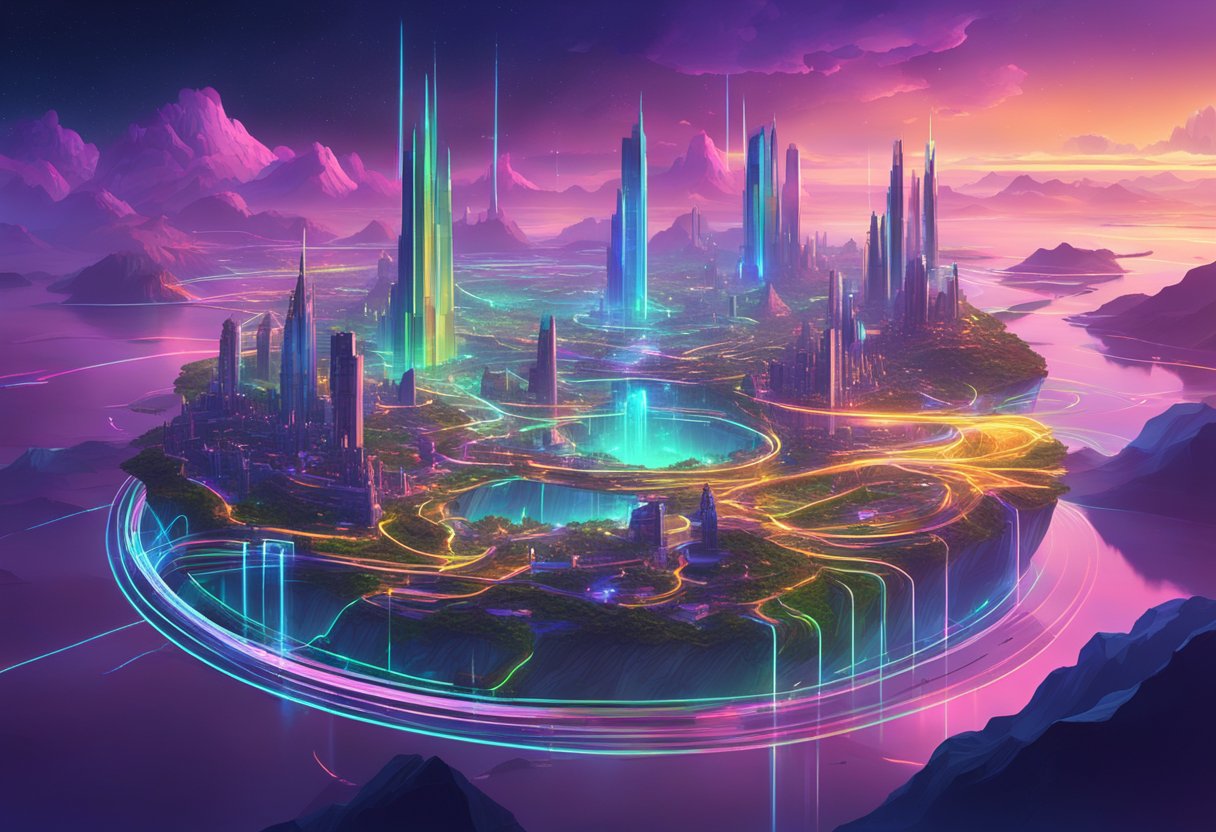
The term “Metaverse” has evolved from science fiction into a tangible, burgeoning digital reality. It represents a collective virtual shared space, created by the convergence of virtually enhanced physical reality, augmented reality (AR), and the internet. Beyond the hype and futuristic avatars lies a profound economic shift. The Metaverse economy is not a distant concept; it is being built today through blockchain technology, NFTs, virtual real estate, and immersive commerce. This new paradigm promises to redefine value creation, employment, and investment, offering unprecedented opportunities for entrepreneurs, investors, and creators. This comprehensive guide delves into the intricate fabric of the Metaverse economy, exploring its core components, monetization strategies, future potential, and the challenges it must overcome to achieve mainstream adoption.
A. Foundational Pillars of the Metaverse Economy
The economic engine of the Metaverse is powered by several interdependent technologies and principles that establish trust, ownership, and value exchange.
A.1. Digital Ownership and NFTs (Non-Fungible Tokens)
At the heart of the Metaverse economy is the concept of true digital ownership, facilitated by NFTs. Unlike fungible cryptocurrencies like Bitcoin, NFTs are unique cryptographic tokens representing ownership of a specific digital or physical asset. In the Metaverse, this translates to owning avatar wearables, virtual land parcels, digital art, game items, and even intellectual property. NFTs provide a verifiable, transparent, and immutable deed of ownership on a blockchain, solving the longstanding internet problem of digital scarcity and enabling assets to be traded, leased, or used across different virtual platforms.
A.2. Blockchain and Decentralization
Blockchain serves as the foundational ledger for the Metaverse economy. It ensures security, transparency, and trust without relying on a central authority. Decentralized platforms empower users, allowing them to control their data, assets, and identity. Smart contracts—self-executing contracts with terms directly written into code—automate transactions, from purchasing land to receiving royalties, eliminating intermediaries and reducing costs. This decentralized framework underpins the creation of a user-centric economy.
A.3. Virtual Real Estate and Development
Virtual land, represented as NFTs on platforms like Decentraland, The Sandbox, and Somnium Space, has become a multi-billion dollar asset class. These parcels of digital land can be developed, monetized, and inhabited. Corporations buy plots for virtual storefronts, artists build immersive galleries, and entrepreneurs create entertainment venues. The value is derived from location, traffic, and the utility built upon it, mirroring principles of the physical real estate market but with limitless architectural possibilities.
A.4. Cryptocurrencies and Native Tokens
Every economic system requires a medium of exchange. The Metaverse utilizes various cryptocurrencies and platform-specific tokens for all transactions. These can be used to purchase goods and services, pay for experiences, stake in governance, or reward user participation. Tokens like MANA (Decentraland), SAND (The Sandbox), and ETH (Ethereum) are the lifeblood of their respective ecosystems, facilitating seamless, borderless financial interactions.
B. Monetization Avenues and Revenue Streams
The Metaverse opens a plethora of innovative business models, creating diverse income opportunities for individuals and companies.
B.1. Content Creation and Asset Design
The demand for digital assets is insatiable. Skilled 3D modelers, animators, and designers can create and sell avatar clothing, accessories, vehicles, furniture, and architectural elements. Platforms like Roblox (with its developer exchange program) and NFT marketplaces allow creators to earn directly from their work, often with embedded royalty structures that provide ongoing income from secondary sales.
B.2. Virtual Events and Experiences
The Metaverse is the ultimate venue for immersive events. Concerts, like those held by Travis Scott in Fortnite, conferences, product launches, and social gatherings generate revenue through ticket sales (as NFTs), sponsored integrations, and in-event merchandising. These experiences offer global reach, interactive elements, and novel engagement metrics that surpass physical limitations.
B.3. Advertising and Immersive Marketing
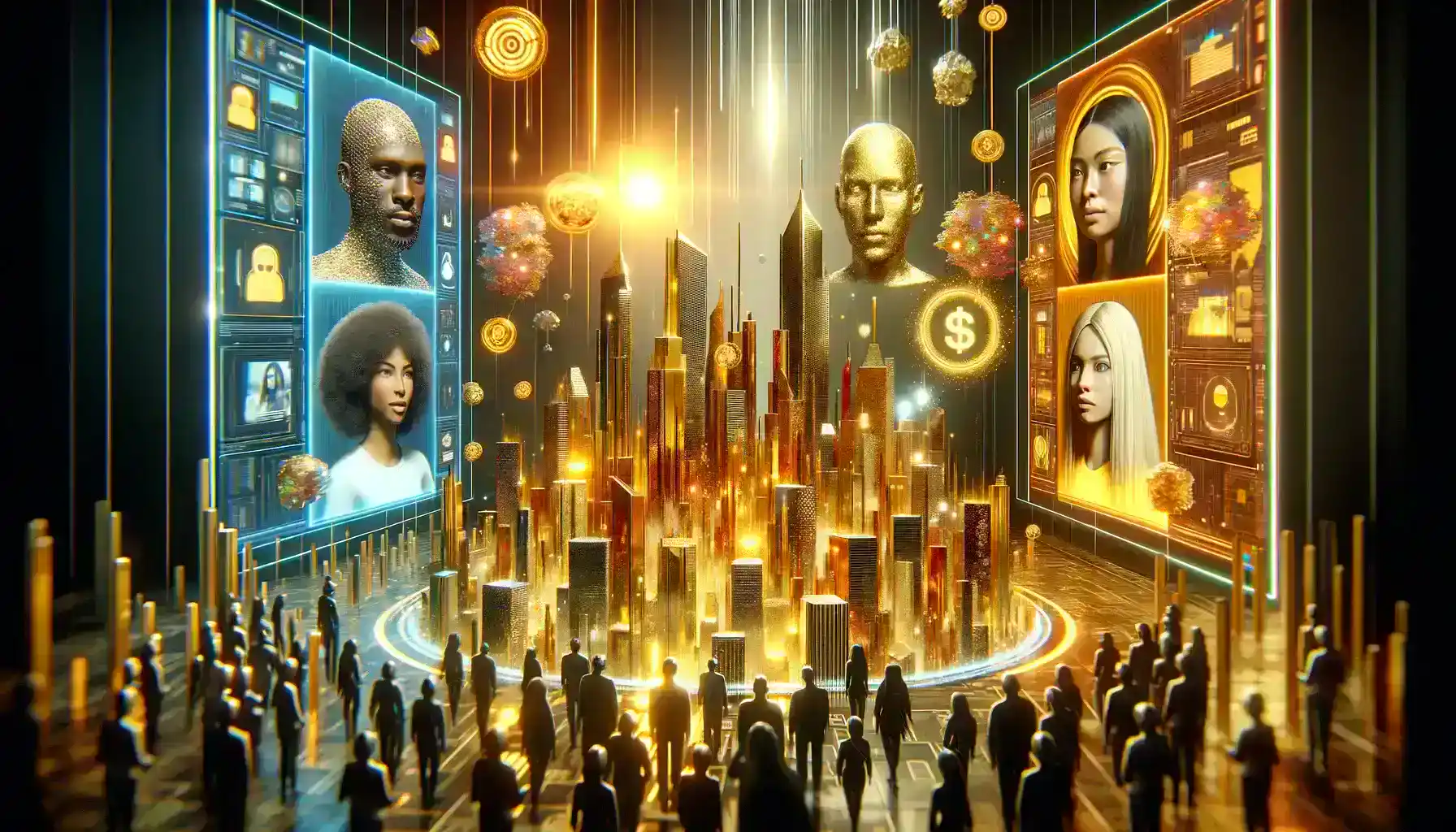
Brands are allocating significant budgets to Metaverse advertising. This goes beyond simple banner ads to include experiential marketing. Users can test-drive a virtual car, try on digital fashion for their avatars, or interact with branded games. These deep, engaging campaigns generate valuable data on user behavior and create stronger emotional connections with consumers.
B.4. Play-to-Earn (P2E) and Virtual Careers
The P2E model, popularized by games like Axie Infinity, allows users to earn cryptocurrency or NFTs through gameplay, skill development, and participation. This has evolved into full-fledged virtual careers, including virtual real estate brokers, fashion designers for avatars, architects, event planners, and community managers. The Metaverse provides a framework for digital labor to have tangible economic value.
B.5. DeFi (Decentralized Finance) Integration
DeFi services are being integrated into the Metaverse, allowing users to leverage their virtual assets. Owners can take out loans using their NFT land as collateral, earn yield by staking their tokens, or participate in liquidity pools for virtual goods marketplaces. This creates a sophisticated financial layer atop the digital economy.
C. Future Opportunities and Industry Transformation
The long-term economic potential of the Metaverse extends far beyond current applications, poised to disrupt numerous industries.
C.1. Revolutionizing Education and Professional Training
Imagine medical students performing complex surgeries in a risk-free virtual operating room or engineers collaborating on a 3D model of a machine from different continents. The Metaverse enables experiential, hands-on learning at scale, reducing costs and improving outcomes. Corporate training can become immersive simulations, drastically enhancing retention and practical skill application.
C.2. The Future of Remote Work and Collaboration
The next iteration of remote work will move beyond video calls to persistent virtual offices. Teams can collaborate on 3D models, brainstorm on infinite whiteboards, and interact with a sense of physical presence. This can boost productivity, foster company culture for distributed teams, and reduce the need for expensive physical office infrastructure while maintaining human connection.
C.3. Digital Fashion and Identity Expression
The digital fashion industry is exploding. Users will spend on virtual apparel to express their avatar’s identity, leading to collaborations between luxury brands (like Gucci and Balenciaga) and digital platforms. This sector includes one-of-a-kind NFT couture, customizable skins, and even linked physical-digital products, creating a circular fashion economy.
C.4. Virtual Tourism and Cultural Heritage
The Metaverse can preserve and monetize cultural heritage. Users can visit historically accurate recreations of ancient Rome, explore endangered natural wonders, or experience global museums from their homes. This democratizes access to culture and creates new revenue streams for the tourism and heritage sectors through ticketed virtual tours and educational partnerships.
C.5. Healthcare and Therapeutic Applications
Therapeutic use cases are emerging, from VR exposure therapy for PTSD to social spaces for individuals with social anxiety. Medical professionals can use virtual simulations for patient consultation and physical rehabilitation. The Metaverse could host support groups and wellness centers, offering new avenues for mental and physical healthcare delivery.
D. Critical Challenges and Considerations for Sustainable Growth
For the Metaverse economy to mature, it must navigate significant hurdles that could impede its development and adoption.
D.1. Interoperability and Open Standards
A fractured Metaverse composed of walled gardens limits its economic potential. True value emerges when assets and identities can move seamlessly between different virtual worlds. The development of open standards and protocols for asset transfer, avatar identity, and social graphs is crucial for creating a cohesive and powerful digital economy.
D.2. Privacy, Security, and Data Sovereignty
Immersive platforms collect unprecedented amounts of sensitive biometric and behavioral data. Robust frameworks must be established to protect user privacy, prevent data breaches, and ensure users retain sovereignty over their digital selves. Regulations like GDPR will need to evolve to address these new realities.
D.3. Digital Divide and Accessibility
Access to the Metaverse requires high-end hardware, reliable high-speed internet, and digital literacy. There is a significant risk of exacerbating global inequalities, creating a chasm between those who can participate in this new economy and those who cannot. Making the technology affordable and accessible is a fundamental challenge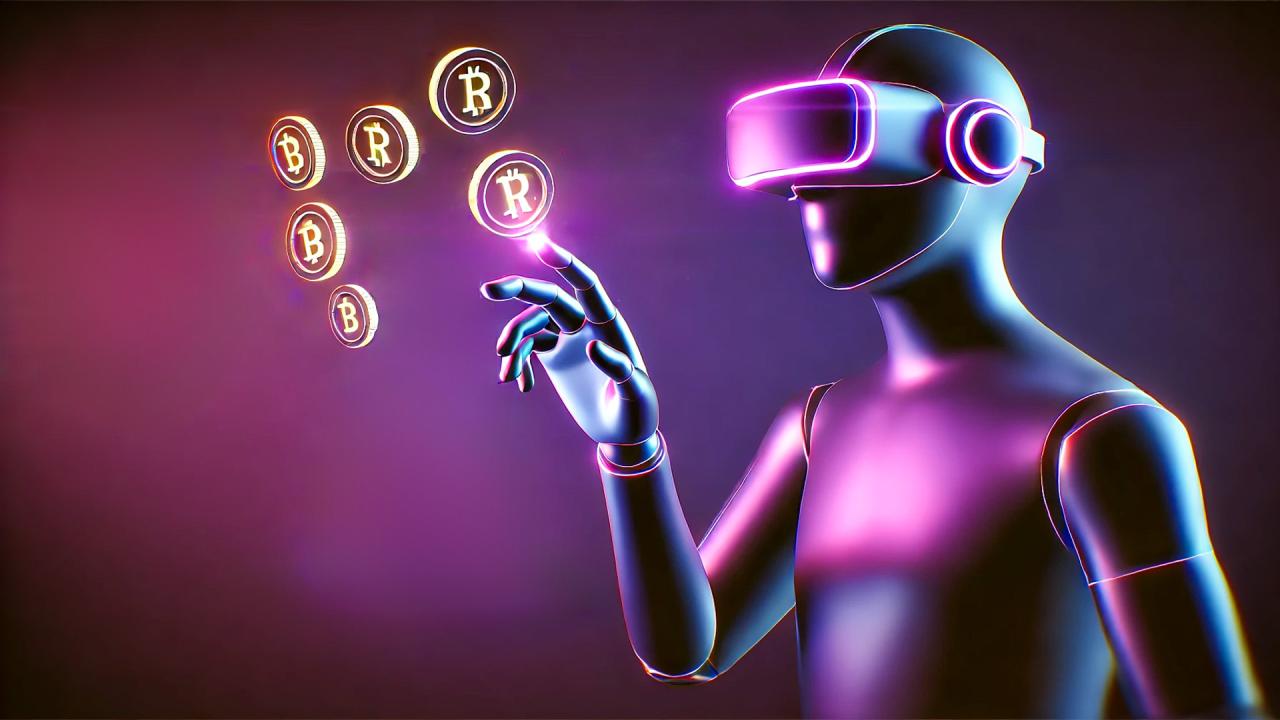 D.4. Governance, Regulation, and Legal Frameworks
Who makes the rules in a decentralized virtual world? Questions about taxation of virtual income, intellectual property rights enforcement, jurisdictional disputes, and consumer protection are largely unanswered. Governments and regulatory bodies are scrambling to develop frameworks that protect users without stifling innovation.
D.5. Environmental, Social, and Governance (ESG) Impact
The energy consumption of some blockchain networks and the electronic waste from rapid hardware turnover present environmental concerns. Furthermore, issues of digital harassment, inclusivity, and ethical design must be addressed proactively to build a sustainable and positive social environment within the Metaverse.
Conclusion: Building an Inclusive and Prosperous Digital Future
The Metaverse economy represents one of the most significant economic opportunities of the 21st century. It is a complex, multi-layered ecosystem where technology, creativity, and finance converge. While the path forward is laden with technical, regulatory, and ethical challenges, the potential rewards are monumental. From empowering creators with new monetization tools to transforming global industries like education, healthcare, and retail, the Metaverse is poised to create a new dimension of human interaction and commerce. Success will depend on collaborative efforts to build an open, secure, interoperable, and inclusive framework. For forward-thinking investors, entrepreneurs, and professionals, understanding and engaging with the Metaverse economy today is not just an option it is a strategic imperative for shaping and thriving in the digital future. The virtual gates are open; the economy within is waiting to be built.