

The global artificial intelligence software market is not merely growing; it is undergoing a seismic transformation, fundamentally reshaping industries, economies, and the very fabric of daily life. This dynamic sector, once a realm of speculative fiction and academic research, has matured into a multi-billion-dollar engine of innovation and efficiency. Its growth trajectory is unprecedented, fueled by a convergence of technological advancements, data proliferation, and increasing business intelligence. This comprehensive analysis delves into the intricate layers of the AI software market’s expansion, examining its core drivers, key segments, regional dynamics, and the profound challenges and opportunities that lie ahead. Understanding this landscape is crucial for investors, business leaders, and policymakers aiming to navigate the next wave of digital disruption.
A. Defining the AI Software Market Landscape
At its core, the AI software market encompasses a vast ecosystem of applications, platforms, and tools that enable machines to perform cognitive functions typically associated with human minds. This includes learning, reasoning, problem-solving, perception, and language understanding. The market is broadly segmented into several key categories:
A. Machine Learning Platforms: The backbone of modern AI, these platforms provide the frameworks and tools for developing, training, and deploying machine learning models. They include cloud-based AutoML solutions that democratize AI development and sophisticated environments for data scientists.
B. Natural Language Processing (NLP): This segment focuses on software that enables machines to understand, interpret, and generate human language. Applications range from chatbots and virtual assistants to sentiment analysis tools and real-time translation services.
C. Computer Vision: Software that allows computers to derive meaningful information from digital images, videos, and other visual inputs. Its uses span from facial recognition and medical image analysis to quality control in manufacturing and autonomous vehicle navigation.
D. AI-powered Analytics and Business Intelligence: These solutions go beyond traditional analytics by using AI to uncover deeper insights, predict trends, and automate decision-making processes from vast datasets.
E. Robotic Process Automation (RPA) infused with AI: Often termed “Intelligent Automation,” this combines rule-based task automation with cognitive capabilities, allowing bots to handle unstructured data and make contextual judgments.
B. Primary Catalysts Fueling Unprecedented Market Growth
The market’s explosive growth is not accidental. It is propelled by a powerful synergy of technological, economic, and societal factors.
A. The Data Deluge and Advanced Computing Power: We live in the age of big data. The exponential generation of data from IoT devices, social media, transactions, and sensors provides the essential fuel for training sophisticated AI algorithms. Concurrently, the availability of powerful, scalable cloud computing infrastructure and specialized hardware like GPUs and TPUs has made processing this data feasible and cost-effective.
B. Breakthroughs in Algorithmic Innovation: The evolution from basic rule-based systems to deep learning and neural networks has dramatically enhanced AI’s capabilities. Techniques like transformer models (e.g., GPT, BERT) have revolutionized NLP, while generative adversarial networks (GANs) have unlocked new frontiers in content creation and simulation.
C. Soaring Demand for Hyper-automation and Operational Efficiency: Across sectors, there is intense pressure to optimize costs, streamline operations, and enhance productivity. AI software is the key enabler of hyper-automation, allowing businesses to automate complex, knowledge-intensive tasks that were previously immune to automation.
D. The Competitive Imperative and Customer Experience Revolution: In a digital-first economy, AI has become a critical competitive differentiator. Companies leverage AI for personalized marketing, 24/7 customer service via chatbots, predictive product recommendations, and dynamic pricing. The expectation for seamless, personalized experiences is now universal, driving massive AI adoption.
E. Substantial Increase in Venture Capital and Strategic Investments: The AI space is a magnet for investment. Billions in venture capital, corporate funding, and government initiatives are flowing into AI startups and research, accelerating innovation and commercialization at a blistering pace.
C. Vertical Industry Analysis: Where AI is Making the Most Impact

The penetration of AI software is pervasive, but its impact is particularly profound in certain verticals.
A. Healthcare and Life Sciences: AI is revolutionizing this sector through drug discovery acceleration, personalized medicine, diagnostic imaging analysis (detecting cancers from scans), predictive patient risk scoring, and administrative automation. AI-powered platforms can analyze genomic data to tailor treatments, dramatically improving outcomes.
B. BFSI (Banking, Financial Services, and Insurance): Applications include algorithmic trading, fraud detection and prevention, credit scoring, automated underwriting, regulatory compliance (RegTech), and personalized wealth management robo-advisors. AI’s ability to spot anomalous patterns in real-time is invaluable for financial security.
C. Retail and E-commerce: From supply chain optimization and inventory management to visual search and incredibly accurate recommendation engines, AI is the engine of modern retail. It powers dynamic pricing strategies, predicts fashion trends, and enhances the in-store experience through computer vision.
D. Manufacturing and Industrial Sectors: AI drives the “smart factory” through predictive maintenance of machinery, computer vision for quality assurance, optimization of production lines, and robotics integration. It minimizes downtime, reduces waste, and improves safety.
E. Automotive and Transportation: This is the frontier for autonomous vehicle technology, heavily reliant on AI software for perception, planning, and control. AI also optimizes logistics, route planning for fleets, and traffic management systems in smart cities.
D. Geographic Market Dynamics: A Global Race for Supremacy
The AI software market is a global phenomenon, with distinct regional leaders and emerging hotspots.
A. North America: The undisputed leader, driven by the United States. This dominance stems from the concentration of tech giants (Google, Microsoft, Amazon, IBM, Meta), a robust startup ecosystem in Silicon Valley and beyond, unparalleled access to venture capital, and leading academic institutions. The U.S. sets the pace in both innovation and market share.
B. Asia-Pacific: The fastest-growing region, with China as its powerhouse. Substantial government backing through national AI strategies, massive domestic data pools, and companies like Alibaba, Baidu, and Tencent fuel rapid growth. Other key players include Japan (robotics), South Korea, and India, which is becoming a major hub for AI talent and service delivery.
C. Europe: A strong contender with a focus on ethical, human-centric AI and robust data protection (GDPR). The EU has cohesive strategies to boost AI research and industrial adoption. Key strengths lie in industrial AI (Germany’s Industry 4.0), healthcare innovation, and deep-tech startups in the UK, France, and Israel, often considered part of the European tech landscape.
D. Rest of the World: Regions like Latin America, the Middle East, and Africa are emerging as growth markets, often adopting AI solutions to leapfrog traditional infrastructure challenges, particularly in fintech, agriculture, and public services.
E. Tangible Challenges and Ethical Considerations Constraining Growth
Despite the optimism, significant hurdles must be navigated for sustainable growth.
A. The Acute Shortage of Skilled Talent: There is a severe global deficit of data scientists, AI researchers, and ML engineers. This talent gap threatens to slow down implementation and innovation, making workforce development and upskilling a top priority.
B. Data Privacy, Security, and Governance Concerns: AI’s hunger for data clashes with growing consumer and regulatory concerns over privacy. Legislation like GDPR and CCPA imposes strict rules. Ensuring data security and establishing clear governance frameworks for data usage is paramount.
C. Algorithmic Bias and the Quest for Fairness: AI systems can perpetuate and amplify societal biases present in their training data, leading to discriminatory outcomes in hiring, lending, and law enforcement. Developing techniques for bias detection, mitigation, and creating transparent, explainable AI (XAI) is a critical technical and ethical challenge.
D. High Implementation Costs and Integration Complexity: For many small and medium-sized enterprises (SMEs), the initial cost of AI software, infrastructure, and expertise is prohibitive. Integrating AI with legacy IT systems presents significant technical hurdles, slowing enterprise-wide adoption.
E. The Black Box Problem and Lack of Explainability: The complexity of advanced AI models, especially deep learning, often makes their decision-making processes opaque. This “black box” issue creates trust barriers, particularly in high-stakes fields like healthcare or criminal justice, where understanding the “why” is as important as the outcome.
F. The Future Trajectory: Emerging Trends Shaping Tomorrow’s Market
The next phase of AI software market growth will be defined by several converging trends.
A. The Rise of Generative AI and Foundation Models: Tools like ChatGPT, DALL-E, and their successors have captured the public imagination. The future lies in enterprise-grade generative AI for content creation, software coding, design, and simulation, built upon massive, adaptable foundation models.
B. The Shift Towards Edge AI Computing: To reduce latency, enhance privacy, and improve reliability, AI processing is moving from centralized clouds to local devices (edge computing). This is crucial for real-time applications like autonomous vehicles, industrial IoT, and smart appliances.
C. AI-as-a-Service (AIaaS) and Democratization: Cloud providers are offering AI capabilities (APIs for vision, speech, language) as scalable, pay-per-use services. This dramatically lowers the barrier to entry, allowing companies of all sizes to embed AI into their applications without building models from scratch.
D. The Convergence of AI with Other Transformative Technologies: The most powerful applications will emerge from AI’s integration with the Internet of Things (AIoT for smart environments), blockchain (for secure, transparent AI data sharing), and augmented/virtual reality (for immersive training and design).
E. Increased Regulatory Scrutiny and Standardization: As AI’s influence grows, so will regulatory frameworks aimed at ensuring safety, fairness, and accountability. The development of global standards for AI ethics, testing, and auditing will become a major focus for industry and governments alike.
Conclusion
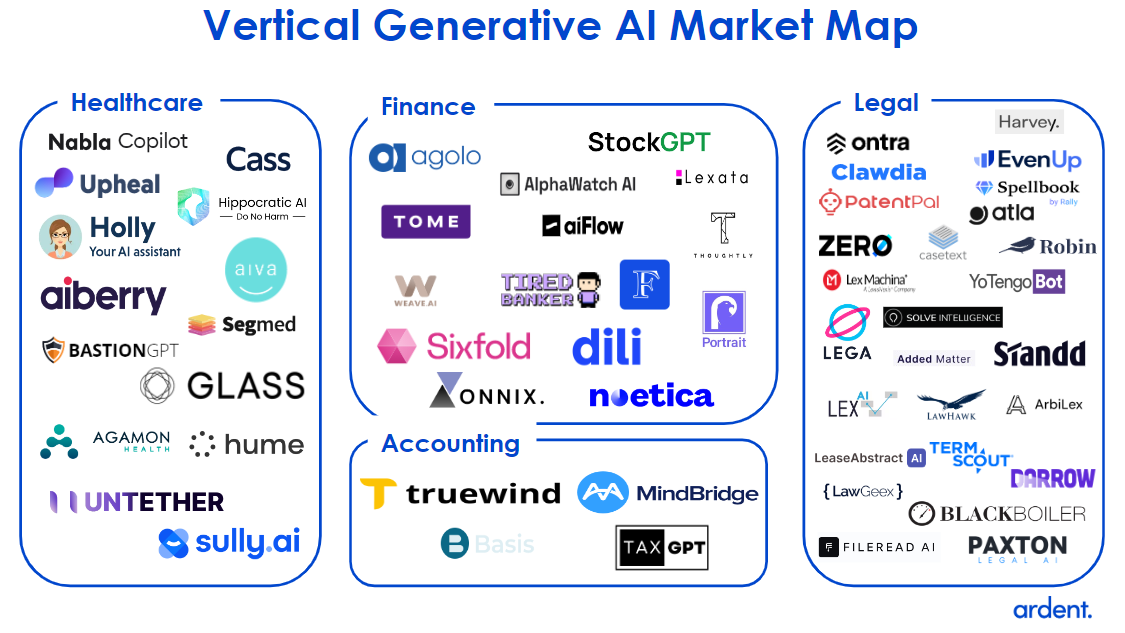
The growth of the global AI software market is a defining narrative of our technological era. It represents a paradigm shift from programmed tools to learning systems that augment human capability. While challenges around ethics, talent, and integration are substantial, the momentum behind AI is unstoppable, driven by tangible returns on investment and its transformative potential. The market will continue its rapid expansion, becoming more sophisticated, accessible, and integrated into the core operations of every forward-looking organization. Success in this new landscape will belong to those who can not only adopt AI technology but also navigate its ethical complexities, foster the necessary talent, and adapt their strategies to harness its full, world-changing potential. The AI software revolution is not on the horizon it is here, and its growth story is just beginning its most compelling chapter.